Explore Smart Options for Buying a Home with Minimal Down Payment
Worried about your savings? Discover how minimal down payment options can help you take that first step towards owning your dream home sooner than you think.
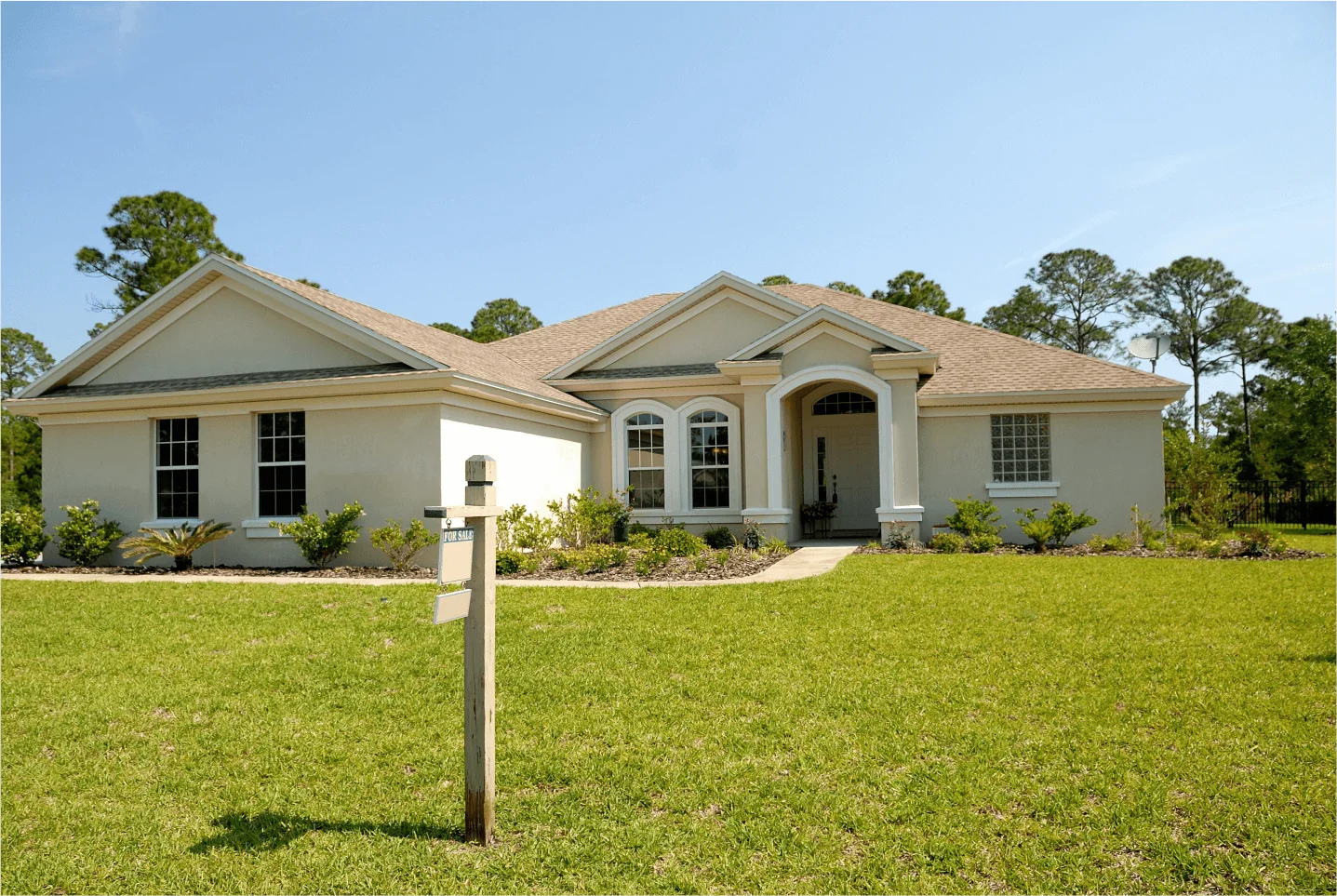
Buying a home is an exciting milestone, and for many people, it represents the fulfillment of a long-held dream. However, the challenges involved in securing a home can often feel overwhelming, particularly when it comes to making a down payment. The good news is that there are smart options available that allow you to buy a home with a minimal down payment. Let’s explore some of these options, so you can move closer to homeownership without the burden of a hefty upfront cost.
One of the most popular options for aspiring homeowners is the FHA loan. The Federal Housing Administration (FHA) offers loans that require as little as 3.5% down. This option is designed to help first-time buyers and those with less-than-perfect credit get into a home. With an FHA loan, you’ll find flexibility in qualification criteria, making it easier to secure the financing you need. Additionally, the insurance premiums associated with FHA loans can be rolled into your monthly mortgage payments, easing the financial burden upfront.
Another great option is the USDA loan. If you're considering buying a home in a rural or suburban area, you might qualify for a USDA loan, which offers zero down payment opportunities for eligible borrowers. This type of loan aims to promote homeownership in less densely populated areas. USDA loans also tend to have lower mortgage insurance costs compared to FHA loans, making them an attractive choice for those looking to minimize their upfront expenses.
For veterans and active-duty military members, VA loans provide an excellent pathway to homeownership with zero down payment required. These loans are backed by the Department of Veterans Affairs and offer competitive interest rates, as well as no private mortgage insurance (PMI) requirements. This makes it easier for those who have served our country to achieve their dream of owning a home, without the heavy financial burden that often accompanies buying property.
If you’re a first-time homebuyer, you may also want to consider state and local down payment assistance programs. Many states offer programs designed to help residents purchase homes with minimal down payments. These programs might provide grants, forgivable loans, or low-interest loans to cover your down payment costs. Each program has its own eligibility requirements, so it’s a good idea to research the options available in your area. Connecting with a knowledgeable mortgage loan officer can help you navigate the specifics and determine which programs you may qualify for.
A conventional loan can also be a viable option for those looking to buy a home with a minimal down payment. Some lenders offer conventional loans that require as little as 3% down. These loans typically require a good credit score and a stable income. However, putting less money down may result in higher monthly payments and the need for private mortgage insurance (PMI). Still, with careful planning, a conventional loan can be an excellent way to enter the housing market.
When considering your options, it’s essential to understand the importance of credit scores. A higher credit score can help you secure a better mortgage rate and more favorable terms. If your credit score is not where you’d like it to be, consider taking steps to improve it before applying for a mortgage. This might include paying down existing debts, making on-time payments, and avoiding new credit inquiries. Building your credit score can significantly impact your home-buying journey and open doors to better financing opportunities.
Saving for a down payment can feel like a daunting task, but there are strategies you can use to make it more achievable. Start by creating a budget that identifies your income and expenses. Look for areas where you can cut back and redirect those funds toward your down payment savings. Even small contributions can add up over time, bringing you closer to your goal.
Consider setting up a dedicated savings account for your down payment. This can help you stay focused and motivated as you watch your savings grow. Additionally, many financial institutions offer high-yield savings accounts that can help your money grow even faster.
Don’t forget to explore gift funds. If you have family members who are willing to help, they may be able to provide financial assistance for your down payment. Many lenders allow for gift funds to be used toward the down payment, providing a helpful boost as you work to secure your new home.
It’s also important to have a solid understanding of your overall financial picture. Take into account not only your down payment but also the other costs associated with buying a home. These can include closing costs, home inspections, and moving expenses. Having a comprehensive view of what you’ll need financially will help you plan more effectively.
As you explore these options and develop a strategy for buying a home with minimal down payment, remember that working with a skilled mortgage loan officer can provide immense value. They can help you understand your choices, guide you through the application process, and ensure that you make informed decisions based on your unique needs and circumstances. Don’t hesitate to reach out for personalized advice that aligns with your financial goals.
Buying a home is an important decision, and it’s entirely possible to navigate the process with a minimal down payment. By exploring the various mortgage options available to you, understanding your financial situation, and seeking professional guidance, you can take significant steps toward homeownership.
If you’re ready to take the next steps in your home-buying journey, we encourage you to reach out today. Let us help you explore your options and find a solution that works for you. Your dream home is within reach!